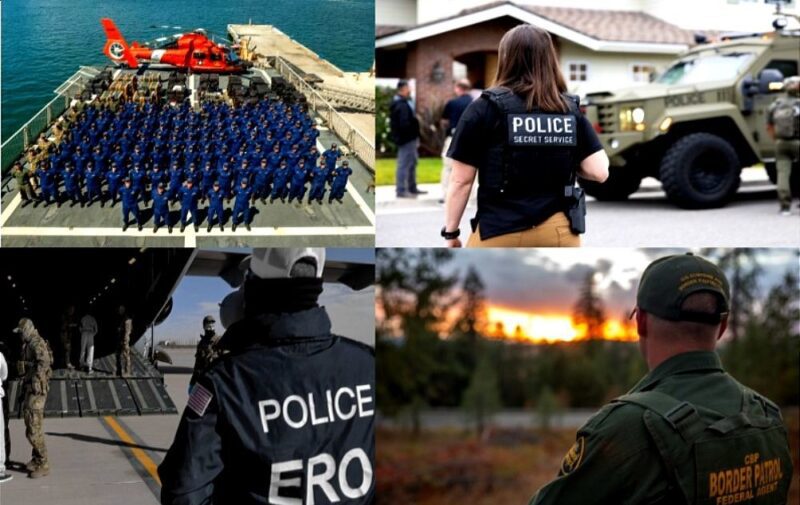
How another Democrat Government Shutdown Undermines America’s Homeland Security! Svaki dan prekida rada je dan u kojem se narušava sigurnosna pozicija američke nacije
Kada političko riskiranje dovede do zatvaranja vlade, odmah se u vijestima često ističe kako savezni zaposlenici ne dobivaju plaće ili kako se zatvaraju turističke atrakcije. No dublja, opasnija cijena odvija se iza kulisa: sustavno urušavanje sigurnosnog aparata zemlje. Američko Ministarstvo za domovinsku sigurnost (DHS) — opsežna agencija s 23 odjela zadužena za sve, od sigurnosti u zračnom prometu do cyber obrane i reagiranja u katastrofama — prisiljeno je djelovati sa snažno ograničenim resursima. Posljedice nisu apstraktne; one su neposredne, opipljive i ugrožavaju živote Amerikanaca te gospodarsku stabilnost, izvjestio je DHS.
Ključna misija DHS-a je zaštita domovine. Zatvaranje ne zaustavlja prijetnje; ono samo smanjuje sposobnost zemlje da im se suprotstavi. U nastavku je detaljan pregled kako se ovaj politički diletantizam demokrata prenosi u operativni neuspjeh kroz ključne komponente agencije.
Obalna straža SAD-a: Zaštita mora, ugroženih na kopnu Spremnost službe izravno je ugrožena. S obzirom na to da dobavljači mogu obustaviti podršku zbog neplaćanja, vojne obitelji suočavaju se s realnom prijetnjom gubitka komunalija i stanovanja. Na moru je utjecaj izražen: smanjena dostupnost flote znači otkazane patrole i letove, stvarajući praznine u pomorskoj svijesti. Sposobnost Obalne straže da ovjerava trgovačke pomorce i komercijalne brodove staje u usporenju, što može dovesti do poremećaja u američkom pomorskom brodarstvu — što utječe na protok robe, od namirnica do benzina. Nadalje, nužno održavanje stotina vozila se odgađa, obuka se otkazuje zbog ograničenja putovanja, a proces sigurnosne provjere zastaje. Dugoročni pritisak na regrutaciju i zadržavanje kadrova je dubok kada institucija ne može pouzdano podržavati vlastite ljude.
U.S. Coast Guard
Uprava za sigurnost prometa (TSA): Prva linija zrakoplovstva Dok su službenici TSA-e obvezni raditi bez plaće, svakim danom sve više raste ljudski i operativni teret. Financijski stres ovih ključnih radnika neizbježno dovodi do povećane odsutnosti s posla. Neposredan, vidljiv rezultat za putnike gotovo je izvjesno dulje vrijeme čekanja na sigurnosnim kontrolnim točkama diljem zemlje, što stvara ranjivosti i velike neugodnosti.
Transportation Security Administration (TSA)
Carinska i granična zaštita (CBP): Granične operacije na nestabilnom terenu Operativni tempo CBP-a suočava se s suptilnim, ali značajnim pukotinama. Agencija riskira da osnovne usluge poput telefona i interneta budu isključene u objektima zbog neplaćenih računa. Nabava kritičnih zaliha je odgođena, a iako putovanja za prioritetne misije mogu biti odobrena, osoblje je prisiljeno plaćati troškove iz vlastitog džepa — što predstavlja ozbiljan teret za moral i financije. U dojmljivom detalju, CBP-ova počasna straža možda neće moći putovati kako bi pružila posljednje počasti stradalim kolegama, uskraćujući onima koji su služili dostojanstven oproštaj koji su zaslužili.
Customs and Border Protection (CBP):
Federalna agencija za upravljanje u hitnim situacijama (FEMA): Kada nastane katastrofa, pomoć kasni, Funkcije FEMA-e vezane uz pripremu prije katastrofe i pomoć nakon nje ozbiljno su narušene. Postojeći fondovi za pomoć u katastrofama mogu presušiti. Još važnije, sustav dodjele bespovratnih sredstava agencije — koji prenosi milijarde lokalnim vatrogascima, policiji i upraviteljima hitnih slučajeva — prestaje s radom. To znači da ključna oprema i obuka za prve reagente diljem zemlje stoje. Nacionalne planirane vježbe i sva obuka na Nacionalnoj vatrogasnoj akademiji obustavljeni su, što oslabljuje sposobnost zajedničkog odgovora na sljedeći požar, uragan ili katastrofu.
Federal Emergency Management Agency (FEMA)
Imigracijska i carinska služba (ICE) i savezni centri za obuku policijskih službenika (FLETC): Zaustavljanje cjevovoda ICE-ove operativne misije se nastavljaju, ali ih ometaju ista kašnjenja u nabavi i neplaćena putovanja koja utječu na sve agencije. Dublji utjecaj je na budućnost: FLETC, koji obučava gotovo sve savezne policijske službenike, suočava se s mogućim kolapsom obuke. Oslanja se na izvođače radova za smještaj, prehranu i upravljanje pašnjacima—usluge koje se ne mogu platiti tijekom prekida. Bez naknade od agencija čiji su studenti već školovani, FLETC mora preuzeti ogromne troškove, ugrožavajući svoju solventnost i sposobnost obuke sljedeće generacije agenata i službenika.
Immigration and Customs Enforcement (ICE)
Tajna služba SAD-a i Agencija za kibernetičku sigurnost i sigurnost infrastrukture (CISA): Zaštita zaštitnika i digitalne granice Zaštitne i istražne misije Tajne službe ugrožene su kako rastu zaostatci u održavanju vozila, a ugovori za ključnu IT podršku ne financiraju se, što uvodi opasne kibernetičke ranjivosti. Za CISA-u, zatvaranje je izravan napad na njezinu preventivnu misiju usmjerenu na pripremljenost. Agencija otkazuje procjene kibernetičke sigurnosti kritične infrastrukture (poput elektroenergetskih mreža i vodovodnih sustava), zaustavlja obuku dionika i prekida međunarodne aktivnosti razmjene informacija o prijetnjama. To stvara vakuum znanja i nakupljanje neriješenih ranjivosti, čineći kritičnu infrastrukturu države primamljivijim ciljem za protivnike.
U.S. Secret Service (USSS)
Federal Law Enforcement Training Centers (FLETC)
Ovo nije samo proračunska neugodnost. Zatvaranje Ministarstva domovinske sigurnosti predstavlja namjerno i politički inducirano slabljenje obrambenog štita nacije. To stvara rat na dva fronta: protiv stalnih prijetnji iz inozemstva i protiv samonanešene rane institucionalne paralize. Od obitelji Obalne straže, do hitnih službi, od kontrolora na aerodromima koji rade previše do nezaštićenih kibernetičkih ranjivosti, šteta se mjeri izgubljenom spremnošću i nagomilanim rizicima.
U.S. Citizenship and Immigration Services (USCIS)
Svaki dan prekida rada je dan u kojem se narušava sigurnosna pozicija američke nacije. Poruka protivnicima je jasna: američka odlučnost je krhka, a sigurnost domovine može biti taoc političkog zastoja. Trošak, kako je detaljno prikazano kroz svaku onesposobljenu komponentu, nešto je što će na kraju platiti svi Amerikanci.
Cybersecurity and Infrastructure Security Agency (CISA)
Autor/ Božidar Bebek/ Totalno.HR/ Foto/ PRESS U.S. DEPARTMENT OF HOMELAND SECURITY
U.S. DEPARTMENT OF HOMELAND SECURITY
Office of Public Affairs
Another Democrat Government Shutdown Dramatically Hurts America’s National Security
WASHINGTON, D.C. – The Department of Homeland Security (DHS) condemns Democrats’ decision to once again put politics over public safety, that have resulted in another dangerous government shutdown, undermining the department’s ability to keep Americans safe.
“Shutting down the DHS means cutting off resources and funding to FEMA, TSA, the Coast Guard, and thousands of federal law enforcement officers — the men and women who stand on the front lines of protecting our homeland every single day. Democrats’ reckless partisan games jeopardizing the safety and security of the American people in the name of scoring political points. By shutting down the Department of Homeland Security, 260,000 men and women who defend our homeland will lack the mission support they need to carry out our national security mission,” said Department of Homeland Security Assistant Secretary Tricia McLaughlin.
The DHS is one of the largest federal agencies, with 23 components including the US Coast Guard, Federal Emergency Management Agency, Secret Service, and Transportation Security Administration, to Customs and Border Protection, Immigration and Customs Enforcement, U.S. Citizenship and Immigration Services, and Cybersecurity and Infrastructure Security Agency, along with other critical offices dedicated to keeping the nation safe and secure.
Operational planning and mission critical procurement of resources will be delayed as a result of this dangerous shutdown and it will now be more difficult to stay on top of urgent, imminent threats in cyberspace and to our nation’s critical infrastructure.
Here are the ways that each of the individual components at the DHS will be impacted:
U.S. Coast Guard
Military families may start to face problems with housing and utilities, as vendors who don’t receive payments for utilities, leases, and base contracts could reduce or stop their support altogether.
This could lead to military families losing electricity and water, and a possible lack of housing for members of the military.
Reduced support for operations will cause gaps in the fleet, including lower asset availability and cancelled patrols and flights.
The Coast Guard may have to stop issuing credentials and documentation for merchant mariners and commercial vessels.
In the long term, this can impact U.S. maritime shipping, which hurts all Americans at the grocery store and the gas station.
This shutdown will result in increased requests from excepted employees to be furloughed due to a lack of workplace flexibilities – including alternative work schedules and telework. This shutdown will hinder supervisors’ abilities to manage fatigue among the workforce, which makes it harder to sustain mission readiness.
This shutdown will result in delays for security clearances for civilians and contractors, due to furloughed personnel at the Coast Guard Security Center.
During a shutdown, civilian personnel are unable to process retirement packages or conduct retirement counseling. This means that employees nearing retirement do not know if they are fully eligible to retire or understand their annuity fully.
The Coast Guard cannot hire or onboard during a shutdown, which will lead to greater strain on the system when operations resume.
Unit funded and executed training is in jeopardy of cancellation due to travel restrictions. Support contracts awarded during a shutdown cannot be paid, putting the services at risk should the vendor decide not to continue services.
Transportation Security Administration (TSA)
The longer the shutdown lasts, the more severe the impact will be on the Transportation Security Officers (TSOs) and other front-line workers who will have to keep coming to work.
This could lead to increased wait times at airports across the country.
Customs and Border Protection (CBP):
Facilities and office locations will be unable to make payments to vendors in support of ongoing operations, including rent, utilities, phone bills, and critical supplies. As payments are paused during a shutdown, CBP runs the risk of these functions being turned off.
Ongoing mission priorities may encounter delays in procurements, supplies, and other operational support due to a lack of available funding.
While travel may be approved, personnel supporting mission priorities cannot be reimbursed for incurred costs, adding to their financial stress.
In some sectors, CBP’s Honor Guard will be unable to travel to provide final honors at funerals for current and retired employees.
This means that men and women who dedicated their lives to keep their country safe will miss out on the final honors they have earned.
Federal Emergency Management Agency (FEMA)
Without funding from Congress, existing disaster relief funds may run dry.
During a shutdown, FEMA is unable to process payments for non-disaster grants and some disaster grants because the FEMA grants system is not operational.
This results in billions of dollars remaining unspent, preventing funds from reaching first responders such as firefighters, police departments, and emergency managers nationwide.
All resident classes at the National Fire Academy (NFA) at the National Emergency Training Center in Emmitsburg, Maryland will be cancelled until the shutdown is resolved.
Support for preparedness activities at the state, local, tribal, and territorial (SLTT) level must be suspended, and National Level Exercise planning activities paused, until the shutdown is resolved.
Immigration and Customs Enforcement (ICE)
Although ICE’s mission will continue, it may encounter delays in procurements, supplies, and other forms of operational support due to lack of funding.
Critical personnel relocations that impact national security are still able to be processed.
Travel may be approved, but personnel cannot be reimbursed for the cost.
Federal Law Enforcement Training Centers (FLETC)
FLETC relies heavily on contractors for everything from housing, to transport, to meals, to firing range operations. Because FLETC is unable to pay contractors, critical training for future law enforcement officers that we need to get to the field may be disrupted the longer the shutdown lasts.
Without government funding, agencies that completed training cannot reimburse FLETC for student meals and lodging, and FLETC cannot pay contractors for their services.
FLETC will have to absorb course costs associated with all completed One Big Beautiful Bill-funded basic training.
This includes tuition and miscellaneous overhead costs for utilities, security, and transportation.
FLETC training requires significant resources such as ammunition, fuel, tires, and vehicle parts as a result of wear and tear from intense driving instruction.
Additionally, high student usage is accelerating the wear and tear on other aging infrastructure, which FLETC is unable to maintain or repair during a shutdown.
U.S. Citizenship and Immigration Services (USCIS)
The E-Verify program will be unable to fund certain mission-critical procurement actions or interagency payments that must be paid for with appropriated dollars, which will create operational bottlenecks.
U.S. Secret Service (USSS)
Ongoing services including rent and utilities will be exacerbated due to lack of payment.
A shutdown limits the Service’s ability to pay for required and/or preventative maintenance on over 400 vehicles in the fleet.
Contracts that directly support criminal and protective operations will not be paid and become higher risk for continued support.
Other enterprise contracts, such as IT and computer support, will not be funded. This introduces system vulnerabilities and increases the risk of data breaches.
Cybersecurity and Infrastructure Security Agency (CISA)
Many of CISA’s key mission areas are centered around prevention and preparedness measures. During a government shutdown, it is harder to determine when a threat is imminent.
During a lapse in funding, CISA will have to cancel engagements like the following:
Physical and cybersecurity assessments for critical infrastructure owners.
Simulation exercises.
Stakeholder trainings and development meetings.
International engagements.
Public speaking engagements and presentations.
As the lapse goes on, CISA’s lack of involvement in these key areas will lead to a future threat or an increased area of weakness.